2026 Top Vegan Leather Handbag Trends You Should Know?
As we look toward the future, the world of fashion is evolving. The vegan leather handbag is becoming more prominent than ever. With the rise of eco-conscious consumers, brands are adapting. They design stylish options that are cruelty-free and sustainable.
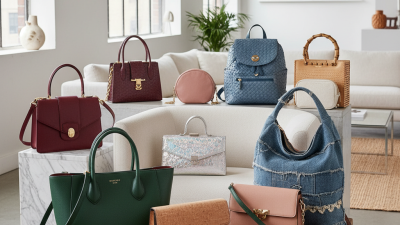
In 2026, trends are expected to reflect a fusion of creativity and sustainability. Handbags will feature innovative designs, from bold colors to unique textures. These bags won't just serve a purpose; they will make a statement. Some may struggle to transition from traditional leather to vegan alternatives. Awareness and education will be crucial for those still hesitant.
Fashion enthusiasts will find that vegan leather handbags cater to every style. The materials are evolving too, becoming more luxe and durable. However, quality can vary, leaving some disappointed. This journey might require patience but promises a rewarding outcome. In this ever-changing landscape, the vegan leather handbag symbolizes a shift toward a more ethical fashion future.
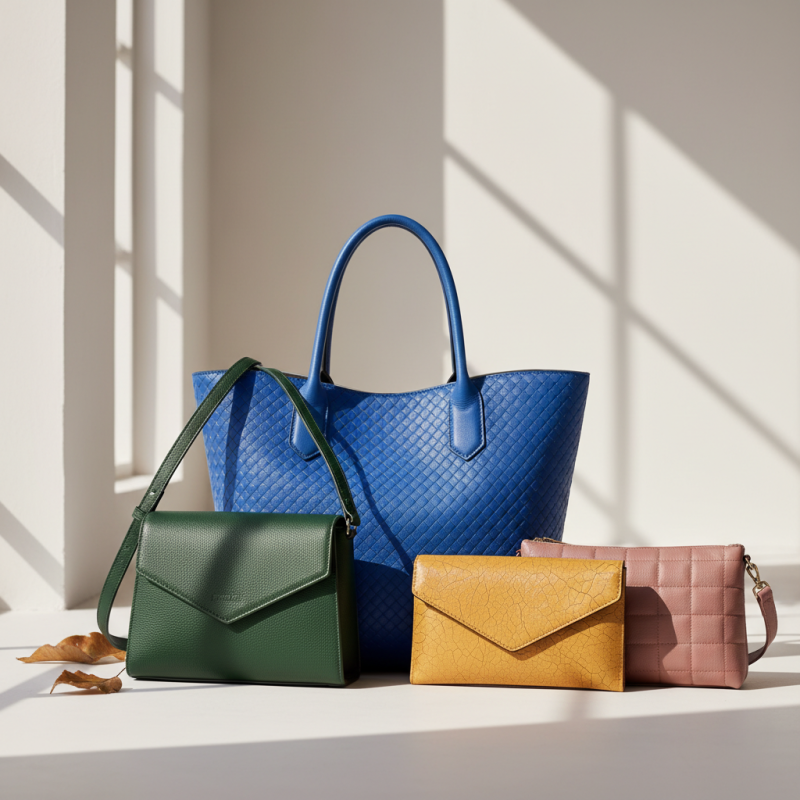
2026 Vegan Leather Handbag Overview and Industry Significance
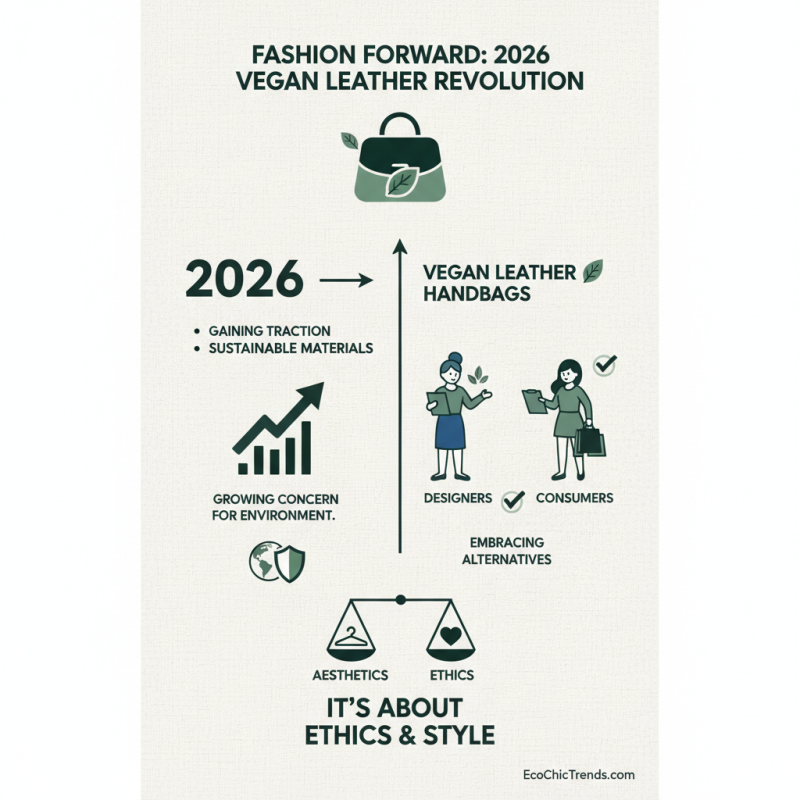
In 2026, vegan leather handbags are gaining traction in the fashion industry. The shift towards sustainable materials reflects a growing concern for the environment. Designers and consumers alike are embracing alternatives to traditional leather. This change is not just about aesthetics; it’s about ethics.
The industry significance of vegan leather cannot be overstated. It promotes a more conscious approach to fashion. Many consumers seek products that align with their values. They want to support brands that prioritize sustainability. However, there are challenges. The quality of vegan leather can vary widely. Some materials may not hold up over time. This inconsistency calls for more transparency in production processes and sourcing.
As trends evolve, design elements are becoming more innovative. Expect bold colors and unique textures in 2026 collections. Yet, the market must also reflect on how to improve sustainability measures. Balancing style and environmental responsibility is essential. Fashion should engage with ethical practices to inspire meaningful change. The vegan leather handbag market has potential, but it still needs refinement to reach its goals.
Key Features of Vegan Leather Handbags Gaining Popularity in 2026
As we move into 2026, vegan leather handbags continue to grow in popularity. A recent industry report indicates a projected market growth of 15% annually in this sector. Shoppers are increasingly conscious of sustainable practices. The appeal of vegan leather lies not just in its ethical stance but also in its evolving design aesthetics.
Key features defining vegan leather handbags this year include durability and versatility. Many consumers favor products that offer longevity. Innovation in materials has led to vegan leathers made from pineapple leaves and apple peels. These options provide unique textures comparable to traditional leather. Reports suggest that 40% of buyers prioritize environmental impact over cost when selecting handbags.
Yet, there are concerns. Some vegan leathers contain synthetic materials, raising questions about biodegradability. Transparency in sourcing and production practices remains crucial. Consumers are beginning to demand better labels and certifications. The journey toward a fully sustainable product is not perfect, but it sparks important discussions about our consumption habits. The push for better alternatives highlights both progress and areas for improvement.
2026 Top Vegan Leather Handbag Trends
Top Color Trends for Vegan Leather Handbags This Upcoming Year
As we look forward to 2026, the vegan leather handbag landscape is set to embrace vibrant color trends. Data from the Global Vegan Leather Market report indicates that colors play a pivotal role in consumer preferences, with 70% of buyers choosing bags based on color alone. This upcoming year, expect rich earth tones, pastel shades, and bold neons to dominate the scene.
Earthy hues like terracotta and moss green resonate with eco-conscious shoppers. They reflect sustainability while harmonizing with nature. These colors appeal to a sense of groundedness in a fast-paced world. Pastels, on the other hand, bring a feeling of softness and peace. Light lavender and mint green are forecasted to be incredibly popular among younger consumers. Vibrancy is returning with neon accents as well, catering to adventurous spirits who seek to make a statement.
Yet, it’s essential to recognize the challenges accompanying these trends. Not all vegan leather materials can achieve these desired shades effectively. Some may fade or wear poorly, disappointing consumers. Brands are urged to prioritize quality over sheer color appeal. In a saturated market, those that invest in durability will stand out. As the demand grows, balancing trends and sustainability will remain a critical reflection point.
2026 Top Vegan Leather Handbag Trends You Should Know
| Trend |
Key Colors |
Features |
Target Audience |
| Eco-Conscious Designs |
Earth Tones, Botanical Greens |
Sustainable materials, Handcrafted finishes |
Environmentally conscious consumers |
| Bold Statement Pieces |
Vibrant Reds, Bright Yellows |
Unique shapes, Eye-catching closures |
Fashion-forward individuals |
| Minimalist Aesthetics |
Neutral Shades, Soft Pastels |
Clean lines, Functional designs |
Minimalist lifestyle enthusiasts |
| Functional Fashion |
Deep Blues, Charcoals |
Multiple compartments, Convertible styles |
Busy professionals |
| Artistic Embellishments |
Rich Jewel Tones, Metallics |
Decorative elements, Textured finishes |
Creative individuals, Art lovers |
Innovative Designs in Vegan Leather Handbags to Watch for in 2026
As we look towards 2026, innovative designs in vegan leather handbags are set to take the spotlight. Eco-friendly materials will continue to evolve, with unique textures and patterns emerging. Imagine a handbag that mimics natural elements like wood grain or stone finish, creating a striking visual impact. These designs will attract those who value both aesthetics and sustainability.
Colors will play a significant role in 2026. Expect bold and unexpected hues, alongside classic shades. The combination of vibrant colors with minimalist styles will create a fresh look. Some creations might feature asymmetrical shapes, challenging traditional handbag structures. The imperfections in these designs can add to their charm, prompting buyers to reflect on what beauty means.
Functionality remains key. Smart features will become more common, like hidden pockets and adjustable straps. Yet, there might be a struggle between style and practicality. Some designs may prioritize looks over usability, leading to frustration for users. Exploring this balance will be crucial for brands aiming to appeal to modern consumers. Creativity in vegan leather handbags will be exciting to witness in the coming years.
Sustainable Practices in Vegan Leather Handbag Production in 2026
In 2026, sustainable practices in vegan leather handbag production are gaining momentum. The focus is on reducing waste and carbon footprints. Many manufacturers are looking at eco-friendly materials. Options like pineapple leather and mushroom-derived materials are becoming popular. They offer similar qualities to traditional leather but with a lower environmental impact.
Additionally, transparency is a growing concern. Consumers want to know the sourcing of materials and production methods. Some brands now share detailed information about their supply chains. They highlight how production impacts the environment. However, not all companies are fully transparent yet. There’s still room for improvement in ensuring authenticity.
While innovation is key, challenges remain. Many materials still rely on chemicals for finishing and durability. This can diminish the overall sustainability of the product. As the demand for vegan leather evolves, so does the need for ethical practices. Efforts to refine manufacturing processes may help bridge this gap in the future.